
ABOUT AWE ENGINEERING
Technical depth.
A practical point of view.
Thoughtful engineering starts with understanding the problem—and the people who need it solved.
THE PERSON BEHIND AWE
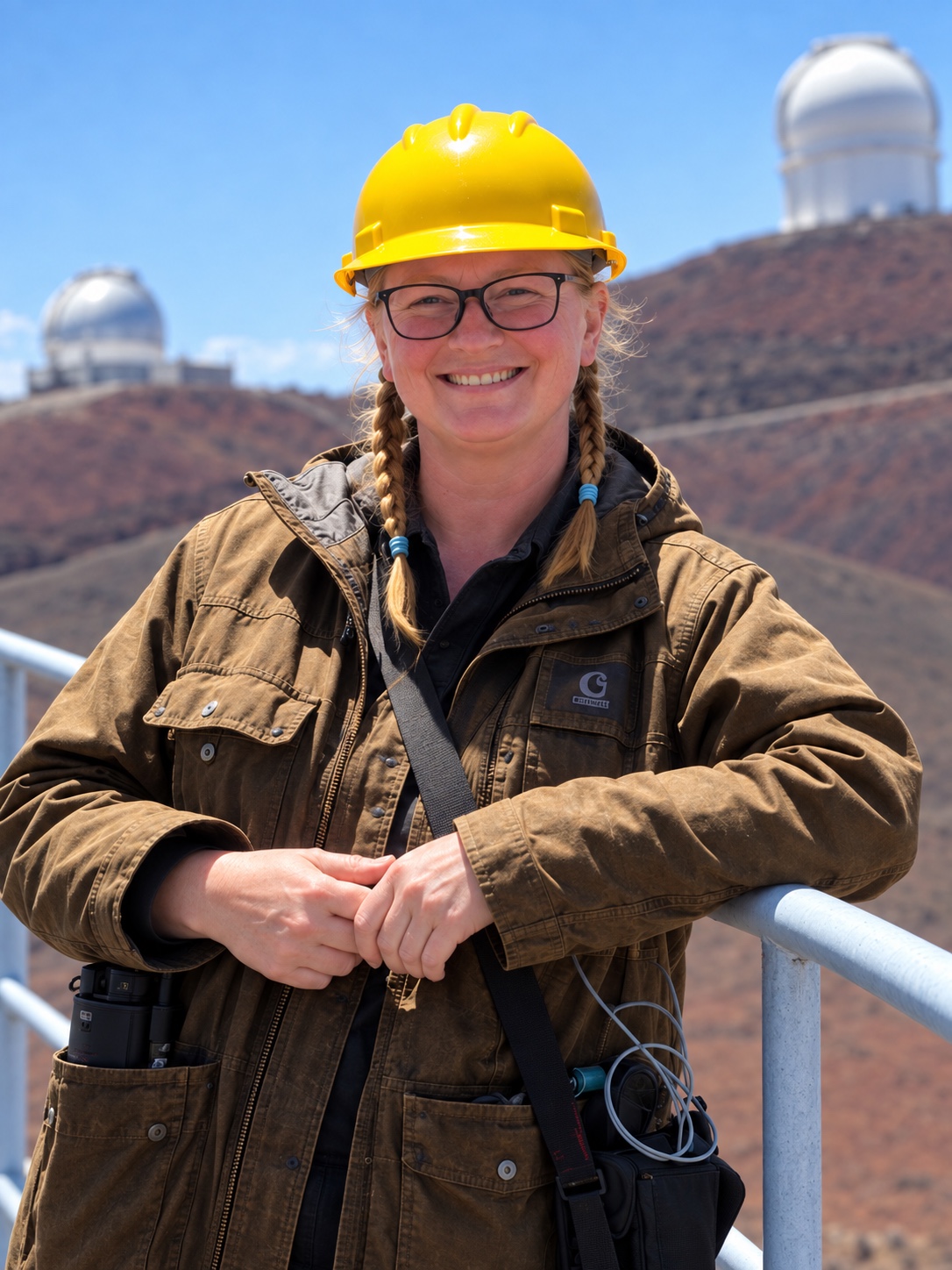
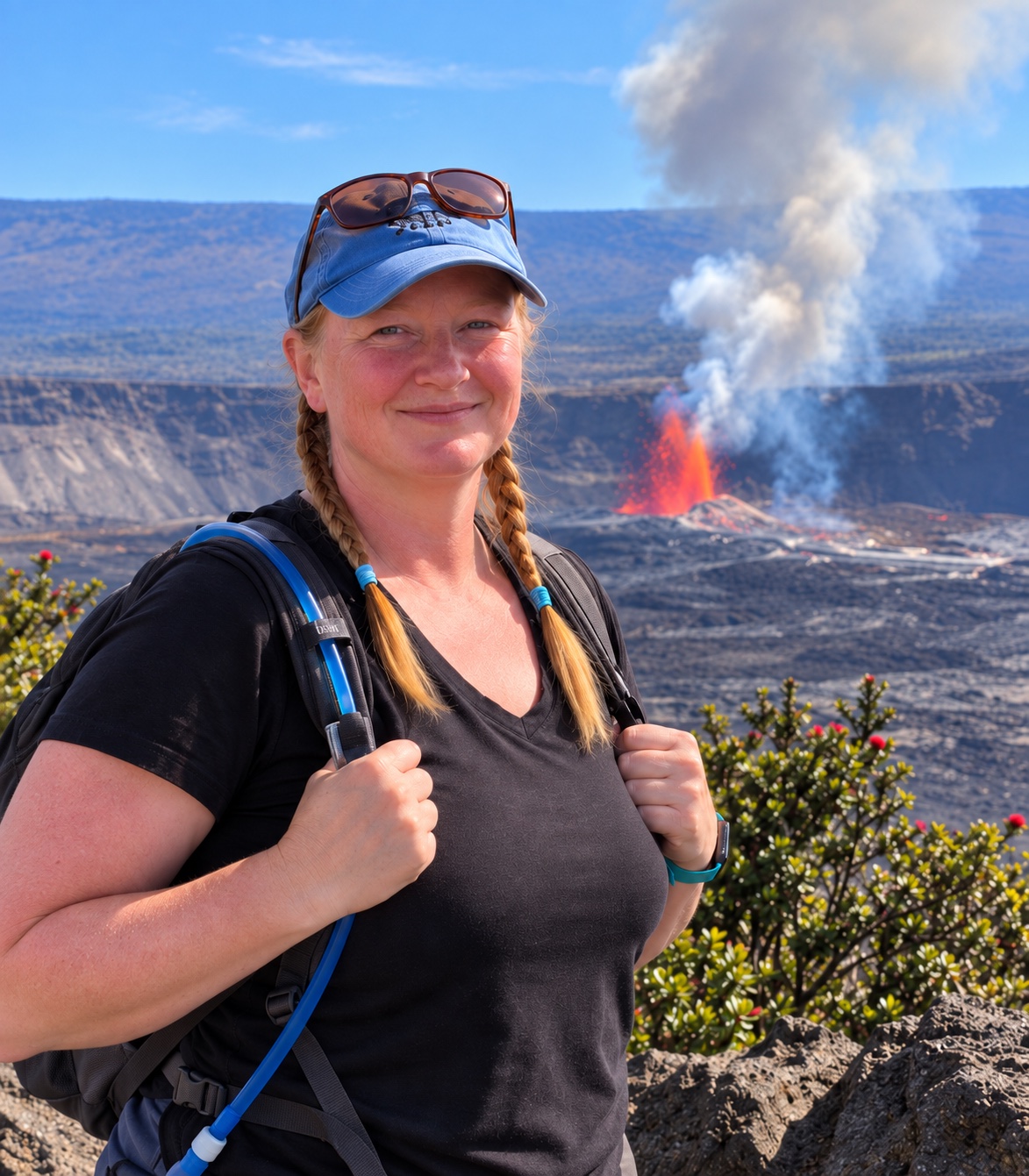
Hi, I’m Angelic.
I’m a software and controls engineer based in Hilo, Hawaiʻi. I bring a systems perspective, a practical curiosity, and experience helping people solve complex technical problems.
My background spans astronomical instrumentation, observatory operations, and controls design, including work at Gemini Observatory and the Thirty Meter Telescope. Building systems and supporting them in daily use has taught me to consider the whole picture: software, hardware, workflows, and the people who depend on them.
My technical work includes real-time controls, motion systems, adaptive optics, software integration, simulation, and automated testing. Just as important are the skills that connect those disciplines: asking useful questions, making unfamiliar systems understandable, and turning broad requirements into workable designs.
With AWE, I bring that experience to both observatories and local businesses. The scale may change, but the aim stays the same: a dependable solution that fits the way you work.
CRITICAL THINKING & TROUBLESHOOTING
Understand the cause.
Solve the right problem.
When a system behaves unexpectedly, the visible symptom is only a starting point. I work to separate what we know from what we assume, trace how the pieces interact, and gather the evidence needed to explain what is happening.
That might mean adding diagnostic logging, designing a focused test, comparing behavior against a simulation, or listening closely to an operator who has noticed a pattern. My experience troubleshooting telescope and instrument systems has taught me to stay methodical under pressure and test an explanation before committing to a fix.
The same thinking applies before anything breaks. I question requirements, look for hidden dependencies, and consider how a design will be operated, maintained, and diagnosed. The goal is to address the underlying problem and make the system easier to understand the next time a question arises.
LEADERSHIP & LEADING CHANGE
Help people move
forward together.
Good technical leadership depends on trust, clarity, and shared purpose. I’ve led teams, mentored engineers, and worked across disciplines to balance immediate operational needs with longer-term development.
My approach is collaborative: make priorities and tradeoffs visible, invite the knowledge of the people closest to the work, and give colleagues room to contribute and grow. Clear communication matters particularly when teams are distributed or the situation is changing.
At Gemini, that included supporting the transition into NOIRLab and guiding a team through remote working while hiring and onboarding new engineers. Those experiences reinforced the importance of listening, explaining why a change matters, and adapting the process as people learn what works.
Whether introducing a new tool or changing an established workflow, I focus on helping people understand it, shape it, and use it confidently.
CURIOSITY & ENGINEERING JUDGMENT
New tools.
Considered choices.
I enjoy learning new approaches and finding where they can make a practical difference. Moving between control-system frameworks and programming languages has strengthened my ability to carry sound engineering principles into unfamiliar territory.
That curiosity now includes hands-on AI-assisted software development. I’ve used it alongside simulation, automated tests, detailed review, and hardware testing on motion-control software. I stay responsible for the architecture and the decisions, and use evidence from the system to judge the result.
Let’s talk about what you’re working on